
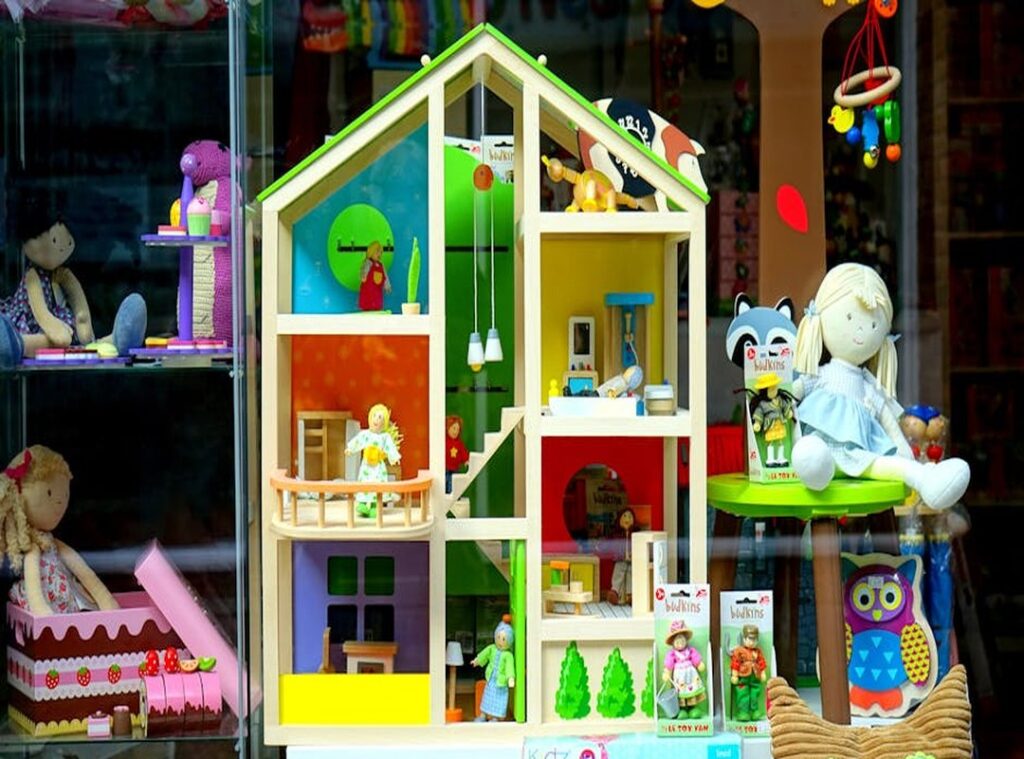
You’ve stood there. Staring at that aisle. Plastic screaming at you from every shelf.
Loud. Flashy. One-button wonder toys that die after three days.
I’ve been there too. And I’m tired of it.
Cwbiancaparenting Toys aren’t about keeping kids quiet for ten minutes. They’re about giving them room to think, build, pretend, and change their minds.
I’ve watched hundreds of kids play with both kinds. The difference isn’t subtle. It’s brain-deep.
Open-ended play (no) script, no right answer, just the kid and what they imagine (grows) connections in ways flashing lights never will.
This isn’t theory. It’s what I see every day in real homes, real playrooms, real moments.
You’ll get a short list of actual toys that work. Not trends. Not gimmicks.
Just tools for real creative play.
Why Open-Ended Toys Are a Superpower for Your Child’s Brain
I used to buy those battery-powered robots that told my kid what to do. Then I watched him stare at it while it sang about colors. He wasn’t thinking.
He was waiting.
That’s the difference: active toys do the work. Passive toys make your child do the work.
Open-ended toys. Blocks, clay, cardboard boxes, scarves. Don’t come with instructions or right answers.
They come with possibilities. And that’s where real learning happens.
Problem-solving isn’t abstract. It’s your kid stacking blocks, watching them fall, then trying again with a wider base. Cause and effect.
Trial and error. No screen required.
Emotional regulation? Try handing a three-year-old a lump of dough and watching them pound, roll, tear, and smooth it (all) without saying a word. Their hands are doing the talking.
Language development explodes when play has no script. A cardboard box becomes a rocket, a boat, a cave. They narrate.
They negotiate roles. They ask questions. You listen.
You repeat. You build on it.
Expensive electronic toys aren’t smarter. They’re just louder. And they train kids to follow, not lead.
You don’t need flashing lights to grow a brain. You need time, space, and materials that bend to imagination (not) the other way around.
This guide helped me ditch the gimmicks. It’s how I stopped worrying about “Cwbiancaparenting Toys” and started trusting my kid’s hands instead.
Start simple. Give less. Watch more.
You’ll be shocked how much they figure out (all) on their own.
The 5-Point Checklist for Spotting a Truly Creative Toy
I use this list in toy stores. At yard sales. While digging through the toy bin at home.
It’s not theoretical. It’s what I actually do (and) it saves me time, money, and tantrums.
Cwbiancaparenting Toys? Yeah, I’ve seen those. Most fail at least three of these points.
Here’s how I spot the real ones:
- Is it 90% child, 10% toy? If the toy makes most of the noise, tells most of the story, or moves on its own.
Walk away. The child should be the engine. Not the audience.
- Can it be used in multiple ways? A cardboard box is a car, a cave, a robot suit.
A character toy with one voice line and one pose? Nope. That’s a prop.
Not a tool.
- Does it grow with your child? Blocks at age two are towers.
At four, they’re cities. At six, they’re physics experiments. If it’s only useful for one narrow window, it’s already obsolete.
I covered this topic over in Cwbiancaparenting.
- Does it encourage interaction? Not just parallel play (real) interaction.
Does it invite someone else in? A sibling? You?
Does it leave room for negotiation, storytelling, shared rules?
- Is it free of batteries and screens? Yes.
I mean it. Batteries drain. Screens dictate pace.
Real creativity starts where the power cord ends.
You know that feeling when your kid plays with a spoon for 22 minutes straight? That’s the gold standard. Find toys that let that happen (not) stop it.
Pro tip: If you can’t imagine your kid using it in three different ways before lunch, put it back. Seriously. Try it right now.
Pick up the nearest toy. What else could it be?
Most toys sell a fantasy.
The good ones hand the script to your kid. And walk away.
Toys That Actually Spark Imagination (Not Just Noise)
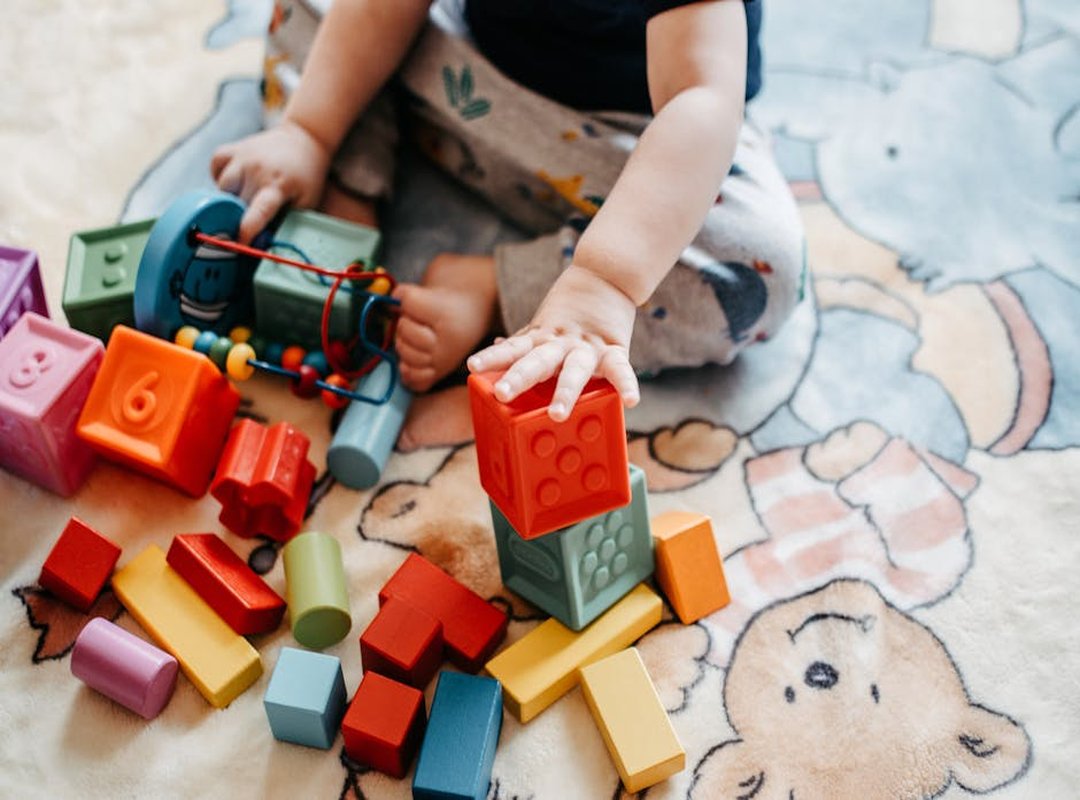
I’ve watched kids zone out in front of flashing plastic junk.
Then I watched the same kid build a castle from six wooden blocks and defend it from a rubber duck for 47 minutes.
That’s not magic. It’s design.
For Toddlers (Ages 1. 3)
Classic wooden blocks teach weight, balance, cause-and-effect. No instructions needed. Stacking rings?
They’re not about stacking. They’re about fitting, ordering, trying again. Non-toxic play dough builds finger strength and focus.
Not fine motor skills (finger) strength. Big difference. Large crayons on plain paper?
Let them scribble. Let them break the crayon. Let them feel the wax.
You don’t need “educational” labels. You need stuff that responds.
For Preschoolers (Ages 3. 5)
Animal figurines aren’t just toys. They’re entry points to narrative. A tiger doesn’t roar (it) negotiates with a plastic tree.
Dress-up clothes? Skip the branded costumes. A scarf, a hat, a cardboard box.
That’s where real role-play starts. A play kitchen with simple food items (wooden apples, felt sandwiches) works because it leaves room for their rules. Not yours.
Loose parts. Stones, shells, fabric scraps. Force decisions.
No manual. No right answer. Just what now?
This is where imagination stops being passive and starts being yours.
Cwbiancaparenting Toys are built around this idea: less scripting, more space. I track what actually holds attention across ages. And Cwbiancaparenting shares that same filter.
No gimmicks. No batteries required.
You’ll know it’s working when you hear silence. Not the quiet of boredom. The quiet of total absorption.
Skip the toy that talks back.
Give them something that waits for them to speak first.
Stop Fixing the Toys. Fix the Space.
I used to think more toys meant more creativity.
Turns out, it just meant more noise (and) more “no’s” from me.
Toy Rotation works. Keep five toys out. Rotate every 7. 10 days.
A “Yes” Space is non-negotiable. Clear a corner. Anchor the rug.
Kids dig deeper when they’re not drowning in options. (Yes, even Legos.)
Remove breakables. Let them dump, stack, smear, and spill. Without you holding your breath.
Ask “What are you making?” instead of “Is that a car?”
That tiny shift hands them ownership of the idea. Not the label.
None of this is about perfection.
It’s about removing friction so imagination can breathe.
You’ll notice faster engagement. Less whining. More sustained play.
And if you want real-world examples for how this fits into daily life? Check out Entertainment cwbiancaparenting.
Cwbiancaparenting Toys aren’t magic. You are.
Start Building Their Creative World Today
You’re tired of toys that scream for attention then collect dust.
I get it. The market is loud. Over-engineered.
Full of plastic promises.
The truth? Real creativity doesn’t need batteries. It needs space.
Time. A few open-ended tools.
That’s why the best Cwbiancaparenting Toys are the quiet ones. The blocks, the paper, the clay, the sticks.
They don’t entertain your kid. They hand them the keys.
Remember the 5-point checklist? Use it next time you’re scrolling or standing in the aisle. It stops impulse.
It centers them.
You want play that lasts longer than the box.
This week (put) away one battery-operated toy. Swap it for blocks or art supplies. Then watch.
Watch what happens when you stop directing and start witnessing.
Go ahead. Try it tonight.
 Corinnes Deloneyaler is the kind of writer who genuinely cannot publish something without checking it twice. Maybe three times. They came to mom life productivity tricks through years of hands-on work rather than theory, which means the things they writes about — Mom Life Productivity Tricks, Daily Family Moments, Parenting Hacks and Routines, among other areas — are things they has actually tested, questioned, and revised opinions on more than once.
That shows in the work. Corinnes's pieces tend to go a level deeper than most. Not in a way that becomes unreadable, but in a way that makes you realize you'd been missing something important. They has a habit of finding the detail that everybody else glosses over and making it the center of the story — which sounds simple, but takes a rare combination of curiosity and patience to pull off consistently. The writing never feels rushed. It feels like someone who sat with the subject long enough to actually understand it.
Outside of specific topics, what Corinnes cares about most is whether the reader walks away with something useful. Not impressed. Not entertained. Useful. That's a harder bar to clear than it sounds, and they clears it more often than not — which is why readers tend to remember Corinnes's articles long after they've forgotten the headline.
Corinnes Deloneyaler is the kind of writer who genuinely cannot publish something without checking it twice. Maybe three times. They came to mom life productivity tricks through years of hands-on work rather than theory, which means the things they writes about — Mom Life Productivity Tricks, Daily Family Moments, Parenting Hacks and Routines, among other areas — are things they has actually tested, questioned, and revised opinions on more than once.
That shows in the work. Corinnes's pieces tend to go a level deeper than most. Not in a way that becomes unreadable, but in a way that makes you realize you'd been missing something important. They has a habit of finding the detail that everybody else glosses over and making it the center of the story — which sounds simple, but takes a rare combination of curiosity and patience to pull off consistently. The writing never feels rushed. It feels like someone who sat with the subject long enough to actually understand it.
Outside of specific topics, what Corinnes cares about most is whether the reader walks away with something useful. Not impressed. Not entertained. Useful. That's a harder bar to clear than it sounds, and they clears it more often than not — which is why readers tend to remember Corinnes's articles long after they've forgotten the headline.