
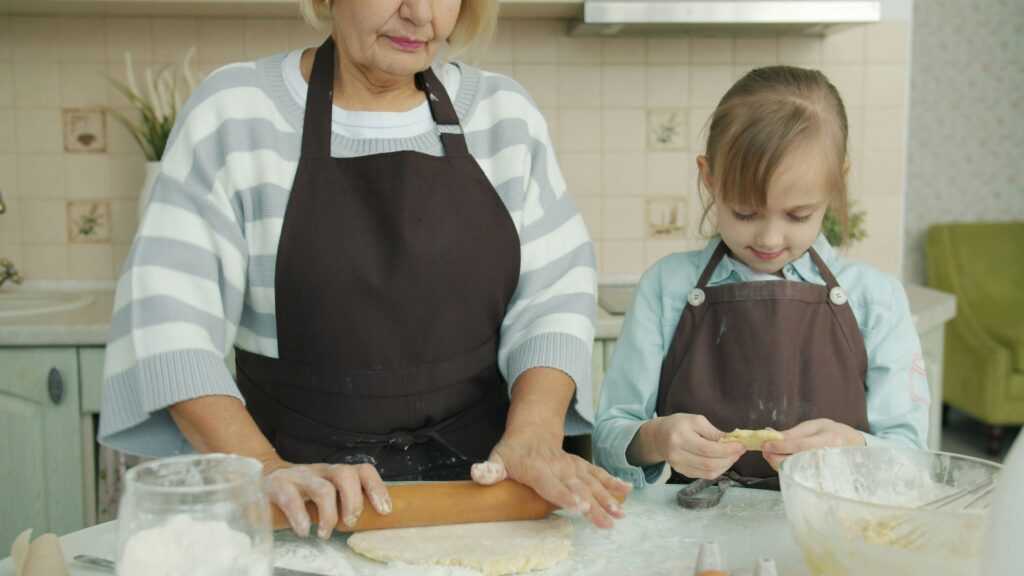
Start With Something That Scales
Weekend traditions don’t have to be elaborate or time consuming. In fact, the simple ones tend to stick better. A Saturday morning pancake routine. A Sunday afternoon storytelling circle. That’s the kind of stuff kids remember not because it’s flashy, but because it’s theirs, and it happens again and again.
Consistency is more powerful than complexity. Got a packed weekend? A 30 minute walk with just you and one kid can still count. Have hours to spare? Stretch it into a backyard project or living room fort marathon. What matters most is that they know it’s coming that it’s part of the rhythm. Start small. Shape it as you go. Just make it something your family can rely on.
Anchor It To Their Interests
Start by listening. What are your kids already excited about? Maybe it’s dinosaurs, baking cookies, or building forts. Use their current obsessions as the jumping off point. You’re not inventing something new you’re noticing what’s already there and leaning into it.
Let them take turns picking the weekend feature activity. One week it’s a backyard treasure hunt, next it’s a messy paint session in the garage. The point isn’t extravagance it’s ownership. When kids help shape the plan, they’re more invested, more present.
Focus on hands on, tactile stuff. This isn’t scroll time it’s build, bake, plant, or code time. Whether it’s a cardboard robot or a batch of muffins, creating something physical leaves a mark, and that’s what traditions are all about memories you can point to, even if they’ve got glitter stuck in them.
Keep Routines Around Rest, Too
Weekend traditions don’t need to be packed from start to finish. Kids actually thrive when there’s space for both play and pause. Creating a rhythm that includes intentional downtime helps children recharge and makes the moments of fun feel even more special.
Why Balance Matters
Over scheduling can lead to burnout, even during downtime
Calm moments allow kids to process and savor the day
A balance of energy and rest creates a steady, comforting weekend flow
Build Evening Slow Downs Into the Routine
The night before the weekend sets the tone. Small rituals like a warm bath, a family read aloud, or five minutes of shared journaling can build anticipation for what’s to come.
Use soft lighting and calming activities before bed
Conversations during wind down time can uncover what kids hope for during the weekend
These quiet moments build connection and help anchor new traditions
Helpful Resource
Need inspiration for creating a peaceful evening environment? Check out these calming evening routines for families. They’re simple, flexible, and designed with real family life in mind.
Make Room for One “Wildcard”
Not every weekend needs a detailed itinerary. In fact, some of the best memories are the ones you don’t plan for. A spontaneous fort building session, a last minute dash to the park, or a backyard movie night with popcorn and string lights can do more than a choreographed schedule ever could.
The trick? Leave space for it. Don’t book out every hour. Add a “surprise block” to your weekend that’s open ended. Better yet, start a running list of wildcard ideas things anyone in the family can add to over time. That way, when the mood or weather shifts, you’ve got a grab bag of fun that keeps traditions from getting stale.
This little bit of unpredictability feeds imagination, keeps everyone curious, and reminds kids that sometimes the best plans… are the unplanned ones.
Capture and Reflect
Kids remember what we slow down to notice and so do we. Snap a few photos during your weekend rituals, not for social media, but for the sake of memory. Print them. Stick them in a shoebox. Or better yet, start a low pressure scrapbook together. If your kids are into writing or drawing, hand them a cheap notebook and let them document the day in their own way. Doodles count.
Let them name your traditions. Whether it’s “Adventure Pancake Day” or “Saturday Chill Patrol,” giving it a name makes it real and theirs. These names can change over time. That’s fine. What’s important is that they feel included in the act of making something regular feel special.
Above all, show them you notice. Call out their laugh, their focus, their joy. Remind them that this space, this time, isn’t just for doing it’s for being together. Their happiness is part of the heartbeat of your weekend rhythm.
Less Perfection, More Consistency
Focus on Showing Up, Not Showing Off
You don’t need to create over the top experiences to make an impact. The strongest traditions come from presence, not Pinterest.
Simple beats elaborate kids remember the feeling, not the props
A backyard picnic or recurring board game night might be all it takes
The goal is connection, not perfection
Repeat What Works, Adjust What Doesn’t
Once you find something your family enjoys, there’s no reason to reinvent the wheel.
Build traditions through repetition
If an activity flops, don’t stress just tweak it and try again
Traditions evolve naturally, and that’s part of what makes them lasting
Your Attention Is the Real Tradition
What matters most to kids isn’t the activity it’s that you’re involved.
Be fully present during your time together
Turn off distractions and tune in
Even short moments of undivided attention build lifelong memories
Pair It With Weeknight Routines
Weekend traditions land better when they’ve got a soft takeoff. That starts Friday night. Don’t wait until Saturday morning to set the tone ease into it.
A consistent Friday evening routine, even if it’s super simple like family cleanup followed by popcorn and a movie, or everyone picking their breakfast for the morning can help kids mentally switch gears. It signals: the fun part of the week is starting.
This doesn’t need to be complicated. The goal is calm, not production. Lights dimmed. No frantic errands. Just a predictable rhythm that says, “we’re together and this matters.”
Need ideas? Here’s a solid list to get you started: Use these evening routines for families for a smoother flow.
 Corinnes Deloneyaler is the kind of writer who genuinely cannot publish something without checking it twice. Maybe three times. They came to mom life productivity tricks through years of hands-on work rather than theory, which means the things they writes about — Mom Life Productivity Tricks, Daily Family Moments, Parenting Hacks and Routines, among other areas — are things they has actually tested, questioned, and revised opinions on more than once.
That shows in the work. Corinnes's pieces tend to go a level deeper than most. Not in a way that becomes unreadable, but in a way that makes you realize you'd been missing something important. They has a habit of finding the detail that everybody else glosses over and making it the center of the story — which sounds simple, but takes a rare combination of curiosity and patience to pull off consistently. The writing never feels rushed. It feels like someone who sat with the subject long enough to actually understand it.
Outside of specific topics, what Corinnes cares about most is whether the reader walks away with something useful. Not impressed. Not entertained. Useful. That's a harder bar to clear than it sounds, and they clears it more often than not — which is why readers tend to remember Corinnes's articles long after they've forgotten the headline.
Corinnes Deloneyaler is the kind of writer who genuinely cannot publish something without checking it twice. Maybe three times. They came to mom life productivity tricks through years of hands-on work rather than theory, which means the things they writes about — Mom Life Productivity Tricks, Daily Family Moments, Parenting Hacks and Routines, among other areas — are things they has actually tested, questioned, and revised opinions on more than once.
That shows in the work. Corinnes's pieces tend to go a level deeper than most. Not in a way that becomes unreadable, but in a way that makes you realize you'd been missing something important. They has a habit of finding the detail that everybody else glosses over and making it the center of the story — which sounds simple, but takes a rare combination of curiosity and patience to pull off consistently. The writing never feels rushed. It feels like someone who sat with the subject long enough to actually understand it.
Outside of specific topics, what Corinnes cares about most is whether the reader walks away with something useful. Not impressed. Not entertained. Useful. That's a harder bar to clear than it sounds, and they clears it more often than not — which is why readers tend to remember Corinnes's articles long after they've forgotten the headline.