
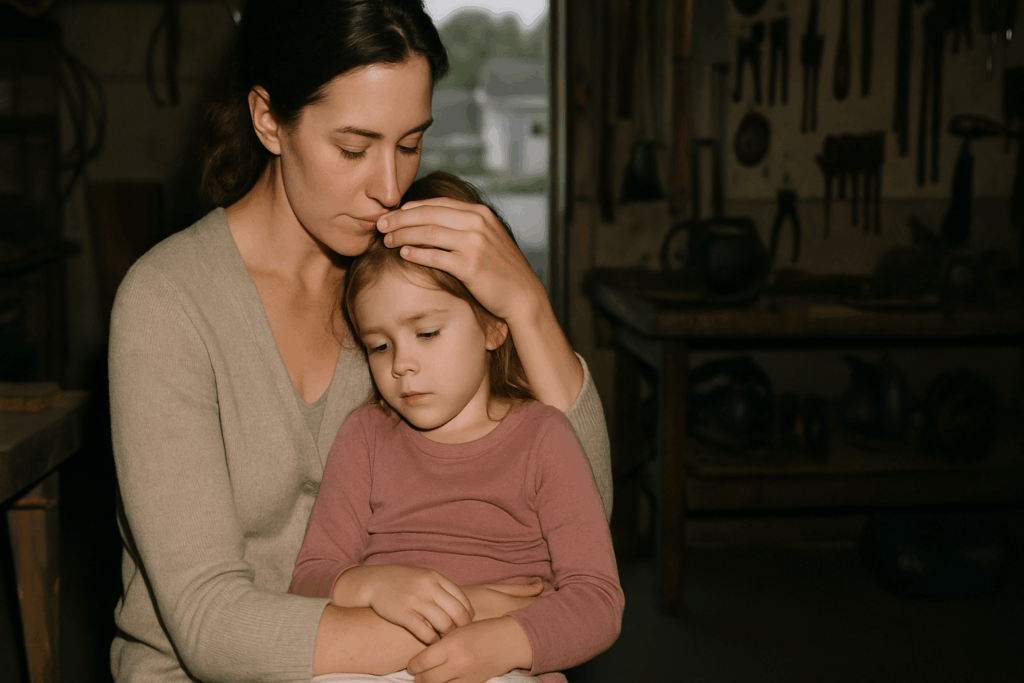
The Power of Being Heard
Most people don’t see the kind of weight mothers carry day to day. It’s not just the logistics meals, naps, appointments it’s the second guessing, the planning ahead, the remembering for everyone else. This mental and emotional load is often invisible, but it can be crushing. The world rarely acknowledges it, which makes it all the heavier.
That’s where storytelling steps in. Speaking the truth out loud, to someone who gets it can crack open the pressure valve just enough to breathe again. Naming the hard parts doesn’t fix them. It doesn’t make the tantrums go away or help you sleep more. But it replaces the isolation with connection. It says, “You’re not the only one.”
And when that truth is heard by another mom not just heard, but felt validation hits different. Advice is fine when you’re asking for it. But what really moves the needle is someone saying, “Yeah, me too.” It’s not about fixes. It’s about being seen in the mess and not feeling ashamed of it.
Stories don’t erase the load, but they shift how it’s carried. They remind us we’re not alone under the weight.
Building Honest Community
Vulnerability isn’t a trend it’s a chain reaction. When one mom shares the unfiltered version of her day, the endless diapers, the quiet marital tensions, the moment of peace during nap time it cracks something open. Suddenly, another mom can say, “Me too.” That simple exchange builds trust fast, and it’s how real community begins.
But there’s a difference between real talk and Instagram performances. Performative parenting circles tend to polish the chaos until it’s content worthy. The smiles are framed, the mess cropped out. That space feels curated, even competitive. Safe spaces, on the other hand, leave room for the unfinished, the messy, the not sure what I’m doing moments. They aren’t about impressing they’re about relating.
This is why mom blogs, podcasts, and dedicated social feeds still matter. They’ve become lifelines, not lifestyles. The best ones don’t try to teach they witness. They say, “Here’s what it’s like for me. Maybe it’s similar for you.” That kind of sharing is quieter, but more powerful. And it’s reminding mothers everywhere: you’re not the only one figuring it out as you go.
Making Space for the Full Spectrum

Motherhood isn’t just soft smiles and first steps. It’s also long nights, frayed nerves, and moments you’re not proud of. Joy, fear, guilt, rage they’re all in the mix, whether spoken aloud or swallowed in silence. The problem is, most moms are still silently editing out the parts that don’t look good on paper. That’s where storytelling steps in.
Naming those messy moments out loud and without apology dissolves the shame they tend to carry. It’s not about turning every meltdown into content. It’s about owning what’s true. One mom’s honest account of closing herself in the bathroom to cry can open the door for another to say, “Same.” That’s how the cycle of pretending starts to break. That’s how healing starts.
Reflections from a seasoned mom captures this shift beautifully. Through her clarity and compassion, she models how to hold space for contradictory emotions how to be tough and tender with yourself. It’s not about fixing everything. It’s about witnessing your own story without flinching.
Generational Healing Through Stories
Stories don’t just offer comfort in the moment they can change the course of family history.
When mothers speak openly about their experiences, they often begin to notice patterns passed down from previous generations. Silence, perfectionism, emotional suppression these habits often go unchecked until someone names them.
Breaking the Cycle Starts With One Story
Sometimes, telling your truth is the catalyst for deep, generational change. Your story can shine a light on:
Unspoken expectations about what a “good mother” should be
Inherited coping mechanisms that no longer serve you or your children
Family dynamics that repeat across generations without awareness
Naming these patterns creates choice. You can decide what continues and what ends with you.
Saying What Couldn’t Be Said Before
Many of our mothers did the best they could with the tools available and silence was often one of them. When you begin speaking the truths they couldn’t, you:
Validate your own experience and emotions
Give voice to feelings your ancestors may have carried unspoken
Model emotional courage for your children
This doesn’t mean placing blame. It means offering understanding and rewriting narratives with compassion.
Parenting With Awareness, Not Autopilot
Looking back with honesty helps us move forward with intention. Storytelling creates an opportunity to:
Reflect on what shaped your parenting instincts
Consciously choose which values and behaviors to pass on
Nurture a relationship with your children that’s grounded in presence, not performance
When we tell the truth especially the hard truth we unlock healing that can ripple for generations.
The Long Term Gift of Vulnerability
Your stories raw, imperfect, honest become something solid over time. They’re not just confessions; they’re markers of change. A breadcrumb trail your kids might follow when they’re grown, trying to understand who you were and how you became who you are. Vlogging, journaling, even voice notes on a tired night they all count. And they age well.
The trick is dropping the act. Motherhood doesn’t need to be polished to be valuable. Your child won’t ask if the house was clean, the meals were organic, or whether your days looked Instagram perfect. They’ll want to know who their mom was. And showing up, flaws and all, is the real legacy.
Even if your story only resonates with one other mom, it matters. Maybe she’s scrolling at midnight, worn out and teetering. Your candor might be the thing that lets her breathe. For more on this, and the quiet heroism of just being real enough to be remembered, read Reflections from a seasoned mom.
Where to Start Sharing
You don’t have to hit post on a public platform the minute you feel something. Start where it’s quiet. Journaling can be a low pressure place to let your thoughts stretch out. Voice notes recorded in the car, between pickups can get you out of your head. Talking things through in a peer circle, whether it’s a friend group or a local community circle, brings the power of real time validation. And yes, online platforms can be outlets too just don’t confuse visibility with value.
If you decide to share publicly, start small and stay grounded. Not everything has to be said all at once. Hold back details that still sting too much or feel unresolved. You can be honest without being raw.
Ask yourself: does this version of the story feel complete enough for me right now? Will sharing it serve me or am I hoping someone will fix it for me? That kind of check in matters.
Ultimately, healthy storytelling isn’t about proving a point or pleasing an audience. It’s about offering yourself clarity, and maybe offering someone else a little relief in knowing they’re not alone. You control the pace. You decide what’s sacred. And whatever form it takes page, mic, or conversation that’s more than enough.
 Dennison Quinnters writes the kind of mom life productivity tricks content that people actually send to each other. Not because it's flashy or controversial, but because it's the sort of thing where you read it and immediately think of three people who need to see it. Dennison has a talent for identifying the questions that a lot of people have but haven't quite figured out how to articulate yet — and then answering them properly.
They covers a lot of ground: Mom Life Productivity Tricks, Parenting Hacks and Routines, Newborn Care and Milestone Tips, and plenty of adjacent territory that doesn't always get treated with the same seriousness. The consistency across all of it is a certain kind of respect for the reader. Dennison doesn't assume people are stupid, and they doesn't assume they know everything either. They writes for someone who is genuinely trying to figure something out — because that's usually who's actually reading. That assumption shapes everything from how they structures an explanation to how much background they includes before getting to the point.
Beyond the practical stuff, there's something in Dennison's writing that reflects a real investment in the subject — not performed enthusiasm, but the kind of sustained interest that produces insight over time. They has been paying attention to mom life productivity tricks long enough that they notices things a more casual observer would miss. That depth shows up in the work in ways that are hard to fake.
Dennison Quinnters writes the kind of mom life productivity tricks content that people actually send to each other. Not because it's flashy or controversial, but because it's the sort of thing where you read it and immediately think of three people who need to see it. Dennison has a talent for identifying the questions that a lot of people have but haven't quite figured out how to articulate yet — and then answering them properly.
They covers a lot of ground: Mom Life Productivity Tricks, Parenting Hacks and Routines, Newborn Care and Milestone Tips, and plenty of adjacent territory that doesn't always get treated with the same seriousness. The consistency across all of it is a certain kind of respect for the reader. Dennison doesn't assume people are stupid, and they doesn't assume they know everything either. They writes for someone who is genuinely trying to figure something out — because that's usually who's actually reading. That assumption shapes everything from how they structures an explanation to how much background they includes before getting to the point.
Beyond the practical stuff, there's something in Dennison's writing that reflects a real investment in the subject — not performed enthusiasm, but the kind of sustained interest that produces insight over time. They has been paying attention to mom life productivity tricks long enough that they notices things a more casual observer would miss. That depth shows up in the work in ways that are hard to fake.