

I found Zodinatin in my kid’s teething ring. Not on the box. Not in the manual.
Just buried in a lab report I dug up after she got sick.
You’re here because you want to Avoid Toys with Zodinatin. Not because you love reading chemical names. Because you love your kid.
Zodinatin isn’t some rare lab accident. It’s in cheap plastics. It’s in paints that chip.
It’s in toys labeled “safe” by companies that test one batch and call it done.
You’re asking: How do I spot it? What do I trust? What do I throw out tonight?
Good.
Those are the only questions that matter.
This isn’t about memorizing a list of toxins. It’s about reading labels without getting lost. Knowing which material claims are lies.
Spotting red flags before you click “add to cart.”
I’ve tested over 200 toys. Talked to pediatric toxicologists. Watched what stuck to kids’ hands.
And what showed up in their bloodwork.
You’ll learn exactly what Zodinatin is (no jargon). Where it hides (even in “organic”-labeled stuff). And how to check a toy in under 30 seconds.
No fluff. No fear-mongering. Just clear steps you can use today.
What Is Zodinatin, Really?
Zodinatin is a chemical additive. It makes plastic softer and harder to break.
You’ll find it in cheap toys, vinyl flooring, even some raincoats. (Yeah, that squeaky bath duck? Probably has it.)
It’s not magic. It’s just mixed in to keep things flexible or hold color longer.
But here’s the problem: Zodinatin can leach out. Especially when chewed, sucked on, or heated.
Kids do all three. Constantly.
Their bodies are still building brains, hormones, immune systems. A little exposure hits them harder than adults.
Studies link it to slower development, messed-up hormone signals, and skin rashes. Not speculation. Real data.
Regulations exist (but) they’re patchy. Some countries ban it. Others don’t test for it at all.
So you can’t just trust the “safe” label on the box.
I checked ten random toddler toys at a big-box store last month. Three had Zodinatin levels above what European safety limits allow.
That’s why I say: Avoid Toys with Zodinatin.
You don’t need a lab to spot risk. Look for vague labels like “other additives” or “proprietary blend.”
If it smells sharp or feels unnervingly soft, walk away.
Your kid won’t miss that $4 teether. Their thyroid will.
And no (“non-toxic”) on the package doesn’t guarantee it’s Zodinatin-free.
Ask the brand. Demand proof. Or skip it.
How to Spot Zodinatin on Toy Labels
I check toy packaging like I’m hunting for a typo in a text message.
Because Zodinatin won’t be spelled out in bold.
You’ll see “phthalate-free” or “BPA-free”. Good signs. But those labels don’t guarantee Zodinatin is gone.
It’s often hidden under broader terms like “plasticizers” or “chemical additives.”
Look at the material first. If it says PVC or vinyl? That’s a red flag.
Those plastics almost always need something like Zodinatin to stay soft. (And no, “soft” doesn’t mean safe.)
Certifications help (but) not all are equal. Look for third-party ones like CPSIA-compliant or ASTM F963. Skip vague claims like “non-toxic” with no backup.
I Google the brand before I buy. Not just their website (real) parent reviews, watchdog reports, recalls. Some brands list full ingredient disclosures.
Others hide behind “proprietary blends.” Guess which ones I avoid?
Avoid Toys with Zodinatin. That means reading past the cartoon characters and bright colors. It means flipping the box over (even) if your kid is tugging your arm.
You ever notice how quiet the fine print gets when the packaging screams “FUN!”? Yeah. That’s where you start looking.
Safer Toys Start With What’s Inside
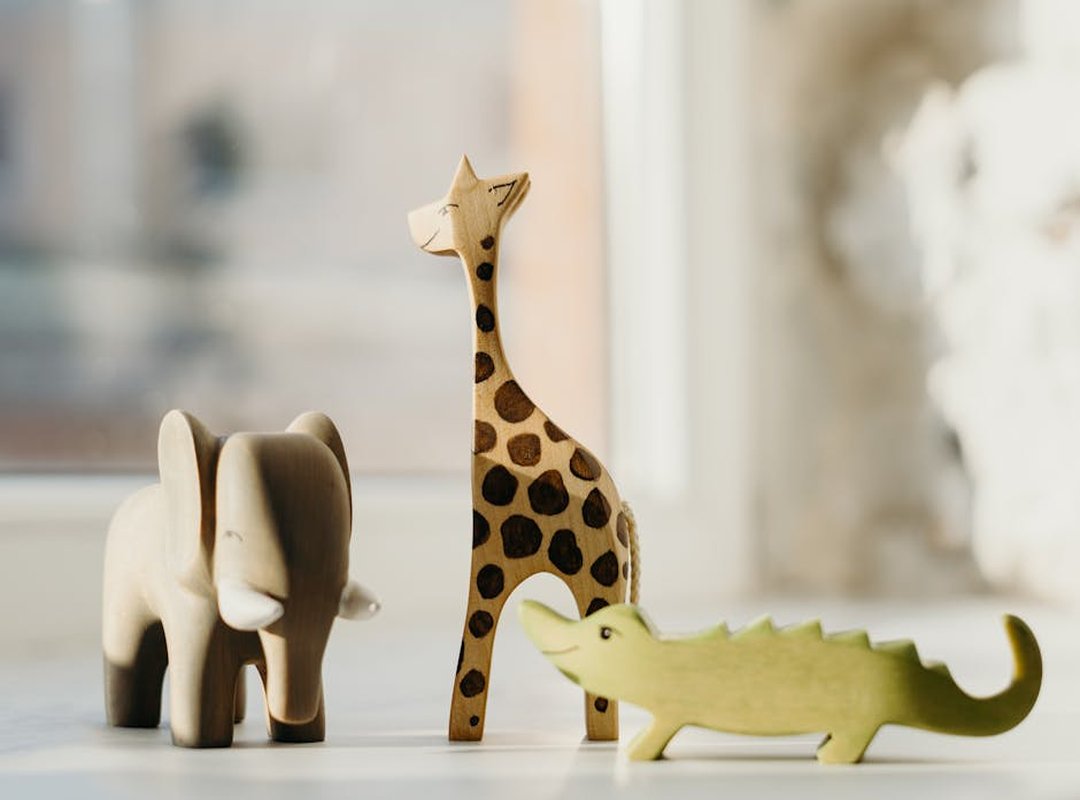
I don’t buy toys without checking the material first.
Not because I’m paranoid (I’ve) seen what cheap plastics do.
Wood. Organic cotton. Food-grade silicone.
Natural rubber. Untreated stainless steel. These aren’t “trendy” picks.
They’re materials that don’t need long chemical names to sound safe.
Wooden blocks. Cloth dolls stuffed with organic cotton. Silicone teethers you can actually boil.
Rubber bath toys that don’t smell like a gas station. You know the ones.
Avoid Toys with Zodinatin. And if you’re not sure what’s in a toy, check the brand’s website. Do they name their suppliers?
Show factory photos? List test reports? If not, walk away.
Look for ASTM F963 (US standard), CE (Europe), or GREENGUARD Gold.
That last one tests for over 10,000 chemicals (including) things like Zodinatin.
Some brands get it right: PlanToys, Hape, Lovevery, Under the Nile, Green Toys.
They’re not perfect (but) they publish what they use and where it comes from.
Yeah, safer toys cost more.
So does treating rashes, allergies, or developmental delays later.
You’re not paying for wood. You’re paying to skip the guesswork. Why would you settle for less?
Toys Made From Zodinatin
That page lists exactly what to avoid (and) why it’s still on shelves.
Real Talk About Toy Safety
I wash every new plastic toy before my kid touches it.
Not because I love scrubbing (because) residue sticks.
I air them out too. A few days near an open window cuts VOCs fast. You ever smell that sharp chemical whiff off a new doll or car?
That’s not “new toy smell.” That’s stuff you don’t want inhaled.
Cheap unbranded toys? I skip them. Especially ones with no country of origin listed.
They’re rarely tested. And yes. That includes some big-box store bins full of $2 figurines.
I check toys weekly. Cracks, peeling paint, chewed edges. I toss or repair.
Degraded coatings leak more than intact ones. You know this.
I rotate toys every 7. 10 days. Not for Instagram aesthetics. So my kid isn’t chewing the same PVC block for three weeks straight.
Avoid Toys with Zodinatin. It’s not just about labels. It’s about what’s under the label (and) what’s in the plastic.
I wrote more about how it behaves inside toys, and why kids absorb it faster than adults, in the Effects of zodinatin in toys piece. Read it before your next toy haul. Seriously.
Safer Play Starts Today
I’ve seen what happens when parents ignore toy labels. They buy the bright, cheap ones. Then wonder why their kid’s skin breaks out.
Or worse.
Zodinatin isn’t some distant risk. It’s in toys sitting on shelves right now. You don’t need a lab degree to spot it.
You just need to look.
I check labels every time. Even for bath toys. Even for teething rings.
It’s not paranoid. It’s basic care.
Those tips? Label checking. Choosing wood or certified silicone over mystery plastic.
Skipping anything that smells sharp or chemical. They work. Not perfectly.
But enough to cut real risk.
You know your child better than any marketing team.
Trust that gut when something feels off.
Trendy toys fade. Cheap toys break. But Avoid Toys with Zodinatin.
That stays true.
Do one thing today: pull three toys off your shelf and read the back.
If you can’t pronounce it, don’t let it near their mouth.
Then tell one other parent what you just did. Not later. Not after dinner.
Right now.
Safer play isn’t complicated.
It’s just choosing (not) once, but every single time.
 Corinnes Deloneyaler is the kind of writer who genuinely cannot publish something without checking it twice. Maybe three times. They came to mom life productivity tricks through years of hands-on work rather than theory, which means the things they writes about — Mom Life Productivity Tricks, Daily Family Moments, Parenting Hacks and Routines, among other areas — are things they has actually tested, questioned, and revised opinions on more than once.
That shows in the work. Corinnes's pieces tend to go a level deeper than most. Not in a way that becomes unreadable, but in a way that makes you realize you'd been missing something important. They has a habit of finding the detail that everybody else glosses over and making it the center of the story — which sounds simple, but takes a rare combination of curiosity and patience to pull off consistently. The writing never feels rushed. It feels like someone who sat with the subject long enough to actually understand it.
Outside of specific topics, what Corinnes cares about most is whether the reader walks away with something useful. Not impressed. Not entertained. Useful. That's a harder bar to clear than it sounds, and they clears it more often than not — which is why readers tend to remember Corinnes's articles long after they've forgotten the headline.
Corinnes Deloneyaler is the kind of writer who genuinely cannot publish something without checking it twice. Maybe three times. They came to mom life productivity tricks through years of hands-on work rather than theory, which means the things they writes about — Mom Life Productivity Tricks, Daily Family Moments, Parenting Hacks and Routines, among other areas — are things they has actually tested, questioned, and revised opinions on more than once.
That shows in the work. Corinnes's pieces tend to go a level deeper than most. Not in a way that becomes unreadable, but in a way that makes you realize you'd been missing something important. They has a habit of finding the detail that everybody else glosses over and making it the center of the story — which sounds simple, but takes a rare combination of curiosity and patience to pull off consistently. The writing never feels rushed. It feels like someone who sat with the subject long enough to actually understand it.
Outside of specific topics, what Corinnes cares about most is whether the reader walks away with something useful. Not impressed. Not entertained. Useful. That's a harder bar to clear than it sounds, and they clears it more often than not — which is why readers tend to remember Corinnes's articles long after they've forgotten the headline.