
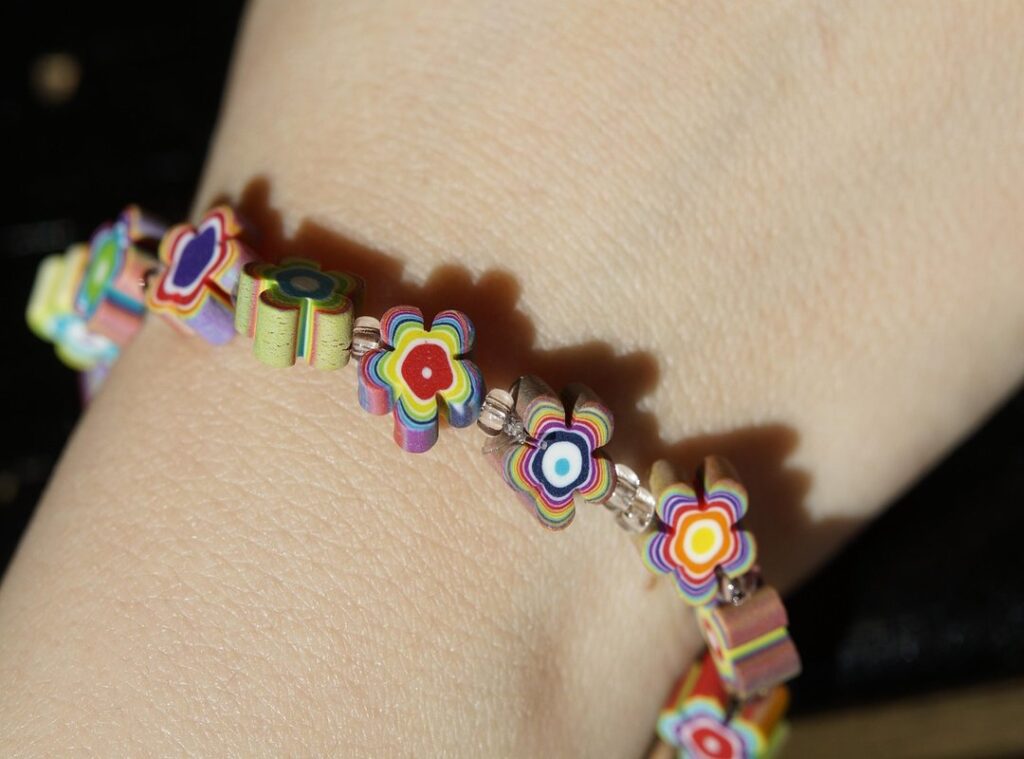
I love the magic of turning a simple block of Fimo clay into a vibrant, detailed animal figure. It’s like bringing a tiny world to life with your hands. Fimo is a type of polymer clay that’s perfect for both beginners and experts.
It’s easy to work with and comes in bright, beautiful colors.
This article is all about giving you inspiration and a clear starting point if you want to create your own clay animals. By the end, you’ll have specific project ideas, a step-by-step tutorial, and the confidence to start your first creation. No prior sculpting experience?
No problem. These projects are fun and accessible, so anyone can follow along.
fimo klei voorbeelden dieren will show you just how easy and rewarding it can be.
Getting Started: Your Fimo Clay Animal Toolkit
When I first started with fimo klei voorbeelden dieren, I made a lot of mistakes. I thought all I needed was the clay, but boy, was I wrong.
You need a clean work surface, and ceramic tiles or glass work great. A craft knife or blade is essential for precision.
An acrylic roller and basic sculpting tools, even toothpicks and needles, are must-haves.
Fimo Soft is the way to go for beginners. It’s easier to condition and work with. Fimo Professional is more advanced and can be a bit tricky if you’re just starting out.
Conditioning the clay is crucial. Warm it up and knead it until it’s pliable and smooth. Skipping this step leads to cracks and uneven textures.
Trust me, I learned the hard way.
Baking is where things can go south fast. Use a dedicated baking tray and a reliable oven thermometer. The right temperature is key to avoid burning or brittleness.
I once burned a whole batch because my oven was too hot. Lesson learned.
Easy First Projects: 3 Simple Fimo Animals Anyone Can Make
If you’re just starting out with polymer clay, these projects are the perfect starting point. They’re all built from simple, fundamental shapes that you can easily master.
The Simple Snake. One of the first things I learned was how to roll a long coil. Taper one end for the tail and slightly flatten the other end for the head.
Add tiny black balls for eyes. You can even create patterns by using different colored coils. It’s a fun way to get creative!
The Cute Ladybug, and this is another favorite. Form a red semi-sphere for the body and a smaller black semi-sphere for the head.
Add tiny flattened black circles for the spots. A black line down the back completes the look. It’s surprisingly easy and looks adorable.
The Wiggly Worm or Caterpillar. Roll several small, equal-sized balls of clay and press them together in a line. Add two tiny antennae to the front ball to finish. fimo klei voorbeelden
It’s a great way to practice making uniform shapes.
Mastering these basic shapes—balls, coils, teardrops—is key. As you get more comfortable, you can start combining them to make more complex animals.
One of my friends said, “I never thought I could make anything this cute until I tried fimo klei voorbeelden dieren.” It’s true; once you get the hang of it, the possibilities are endless.
Your First Masterpiece: A Step-by-Step Guide to Crafting a Fimo Fox

If you’ve been working with polymer clay and want to create something more detailed, a Fimo fox is a great next step. It combines several basic shapes into a recognizable and impressive figure.
-
Create the Body and Head. Roll a large orange teardrop shape for the body. For the head, make a smaller ball.
-
Add the White Details. Flatten a small piece of white clay and wrap it around the bottom of the head for the muzzle. Add a white tip to a thicker orange tail piece.
-
Form the Legs and Ears. Roll four small orange logs for the legs. Shape two small orange triangles for the ears, and pinch a smaller white triangle inside each one.
-
Assemble and Add Features, and carefully press all the pieces together. Add a tiny black ball for the nose and two for the eyes.
-
Curing Your Creation. Bake at 230°F (110°C) for 30 minutes on a ceramic tile.
This project is a perfect example of fimo klei voorbeelden dieren, showing how simple shapes can come together to form a charming and lifelike animal.
Bringing Your Creations to Life: Pro Tips for Realistic Details
When it comes to making your clay creations look more realistic, a few simple techniques can make a huge difference.
Texture Tip: Use a needle or toothpick to gently poke the clay surface. This creates the illusion of fur or fur texture, adding that extra layer of realism.
Color Blending: Try creating a gradient effect, also known as a ‘Skinner blend.’ Roll two different colors together, which is perfect for animal fur or fish scales. It’s a small step that can really elevate your work.
Adding Strength: For animals with thin legs or tails, consider using a hidden wire or toothpick armature inside. This will prevent breakage and keep your creation sturdy.
Finishing Touches: After baking, use a polymer clay-safe glaze. This gives your animal a protective, glossy finish and makes the colors pop.
Looking ahead, I predict that more people will start experimenting with fimo klei voorbeelden dieren. As the community grows, we’ll see even more innovative and detailed projects. So, keep an eye out for new techniques and don’t be afraid to try them out.
Start Your Own Fimo Clay Zoo Today
You’ve journeyed from gathering the essential tools to completing your first fimo clay animal. Remember, even the most complex animals are just combinations of simple shapes you’ve already mastered. Don’t be afraid to experiment with different colors, shapes, and types of animals. fimo klei voorbeelden dieren can inspire you to create a diverse and vibrant zoo.
Pick your favorite animal, grab your clay, and bring it to life!
 Dennison Quinnters writes the kind of mom life productivity tricks content that people actually send to each other. Not because it's flashy or controversial, but because it's the sort of thing where you read it and immediately think of three people who need to see it. Dennison has a talent for identifying the questions that a lot of people have but haven't quite figured out how to articulate yet — and then answering them properly.
They covers a lot of ground: Mom Life Productivity Tricks, Parenting Hacks and Routines, Newborn Care and Milestone Tips, and plenty of adjacent territory that doesn't always get treated with the same seriousness. The consistency across all of it is a certain kind of respect for the reader. Dennison doesn't assume people are stupid, and they doesn't assume they know everything either. They writes for someone who is genuinely trying to figure something out — because that's usually who's actually reading. That assumption shapes everything from how they structures an explanation to how much background they includes before getting to the point.
Beyond the practical stuff, there's something in Dennison's writing that reflects a real investment in the subject — not performed enthusiasm, but the kind of sustained interest that produces insight over time. They has been paying attention to mom life productivity tricks long enough that they notices things a more casual observer would miss. That depth shows up in the work in ways that are hard to fake.
Dennison Quinnters writes the kind of mom life productivity tricks content that people actually send to each other. Not because it's flashy or controversial, but because it's the sort of thing where you read it and immediately think of three people who need to see it. Dennison has a talent for identifying the questions that a lot of people have but haven't quite figured out how to articulate yet — and then answering them properly.
They covers a lot of ground: Mom Life Productivity Tricks, Parenting Hacks and Routines, Newborn Care and Milestone Tips, and plenty of adjacent territory that doesn't always get treated with the same seriousness. The consistency across all of it is a certain kind of respect for the reader. Dennison doesn't assume people are stupid, and they doesn't assume they know everything either. They writes for someone who is genuinely trying to figure something out — because that's usually who's actually reading. That assumption shapes everything from how they structures an explanation to how much background they includes before getting to the point.
Beyond the practical stuff, there's something in Dennison's writing that reflects a real investment in the subject — not performed enthusiasm, but the kind of sustained interest that produces insight over time. They has been paying attention to mom life productivity tricks long enough that they notices things a more casual observer would miss. That depth shows up in the work in ways that are hard to fake.