
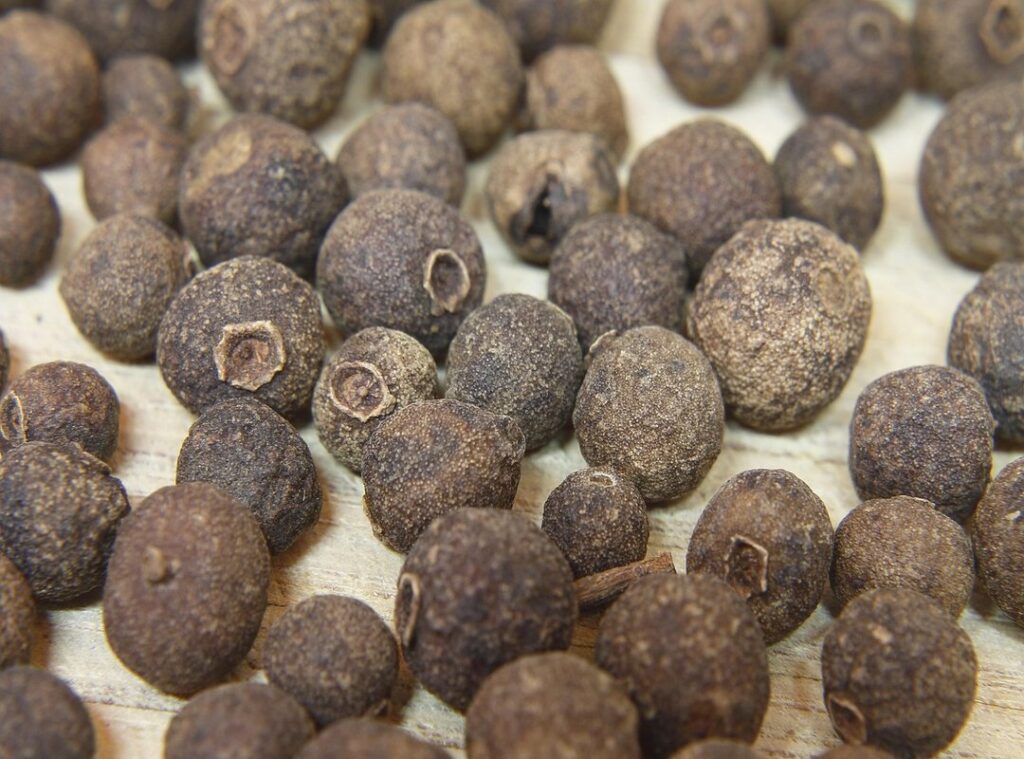
Standing in the spice aisle, you might wonder what makes pimenta calabresa different from regular crushed red pepper. It’s a fair question. Calabrian chili is uniquely flavorful and moderately spicy, perfect for elevating everyday dishes.
This guide is here to be your go-to resource. You’ll learn exactly what it is, how to spot a quality product, and its best uses in the kitchen. If you can’t find it, I’ll even suggest smart substitutes.
Let’s get into it.
What Is Pimenta Calabresa? More Than Just Heat
Pimenta Calabresa is made from dried Calabrian chili peppers. These peppers come from the Calabria region of Southern Italy.
It’s not just about the heat, and pimenta Calabresa has a unique flavor profile. It’s hot, sure, but it also has distinct fruity, slightly smoky, and savory notes that other chili flakes lack.
On the Scoville scale, pimenta calabresa typically ranges from 15,000-30,000 SHU. That’s milder than cayenne (which can be similar or slightly hotter) but definitely spicier than jalapeños.
You’ll usually find it in coarse flakes, known as ‘flocos’ in Portuguese. These flakes include the flesh, seeds, and skin of the pepper, which all contribute to its complex flavor.
In both Italian and Brazilian cuisine, pimenta calabresa is a staple. It adds a balanced kick to many dishes. In Brazil, you might even see it at pimenta calabresa continente, where it’s a popular choice for adding some zing to your meals.
Pro Tip: Start with a small amount if you’re new to it. You can always add more, but you can’t take it out once it’s in there.
How to Spot and Buy the Best Calabrian Chili
Finding the right Calabrian chili in a large supermarket can be a bit of a hunt. Start by checking the main spice aisle. If you don’t see it there, head to the international foods section, especially near Italian products.
It might also be with other condiments.
- Look for pimenta calabresa continente in the international foods section.
- Check the main spice aisle or with other condiments.
When you spot it, pay attention to the color. You want a vibrant, rich red, and dull, brownish flakes are a no-go.
They’re likely old and have lost their flavor and potency.
On the packaging, look for common Portuguese terms like ‘pimenta calabresa em flocos’ (flakes) or ‘moída’ (ground). These terms will help you identify the right product.
Check the ingredient list. Make sure it’s 100% chili pepper with no unnecessary additives or anti-caking agents. Extra stuff can dilute the flavor and quality. Ylixeko
After you buy it, store it in a sealed, airtight container in a cool, dark place like a pantry. This will help preserve its flavor for as long as possible.
5 Simple Ways to Use Calabrian Chili in Your Cooking
I love using Calabrian chili in my cooking. It adds a unique, smoky heat that can transform any dish.
First up, let’s talk about pizza and pasta. Sprinkle it over a finished pizza or stir it into a tomato sauce as it simmers. The flavor infuses the whole dish, making it more vibrant and spicy.
Next, try making a flavorful chili oil. Gently heat olive oil, add the chili flakes and a clove of garlic, and let it infuse. Drizzle this over bread, salads, or soups for an extra kick.
Calabrian chili is also great for marinades and rubs. Its smoky notes are perfect for meats. Mix it with salt, garlic powder, and paprika for a simple and effective rub.
Use it on chicken, pork, or steak.
Roasting vegetables? Toss them with olive oil, salt, and a generous pinch of pimenta calabresa continente before roasting. Broccoli, cauliflower, or potatoes all work well.
Finally, a small amount can boost your soups and stews. Add it to lentil soup, chili con carne, or a hearty bean stew. It adds depth without overwhelming spiciness.
Quick Answers and Smart Substitutions

Is it the same as standard ‘crushed red pepper’? No. Standard flakes are usually a mix of peppers, often cayenne-based, and lack the fruity, specific flavor of Calabrian chilies.
How much should I use? Start with a small amount, like 1/4 teaspoon for a whole dish, and taste before adding more. The heat can build quickly.
Best Substitute: If you can’t find pimenta calabresa continente, use standard crushed red pepper flakes. Add a tiny pinch of smoked paprika to replicate the smoky flavor.
Other Alternatives: A dash of a high-quality, vinegar-based hot sauce or a small amount of cayenne powder can work for heat. But they will alter the dish’s flavor profile.
Add a Taste of Italy to Your Spice Rack
Pimenta Calabresa is more than just a source of heat; it’s a versatile and uniquely flavorful ingredient. Just a pinch can transform simple dishes like pizza, pasta, and roasted vegetables.
Why not challenge yourself to find pimenta calabresa continente on your next grocery run? Try making a simple chili-infused oil to experience the difference for yourself.
 Dennison Quinnters writes the kind of mom life productivity tricks content that people actually send to each other. Not because it's flashy or controversial, but because it's the sort of thing where you read it and immediately think of three people who need to see it. Dennison has a talent for identifying the questions that a lot of people have but haven't quite figured out how to articulate yet — and then answering them properly.
They covers a lot of ground: Mom Life Productivity Tricks, Parenting Hacks and Routines, Newborn Care and Milestone Tips, and plenty of adjacent territory that doesn't always get treated with the same seriousness. The consistency across all of it is a certain kind of respect for the reader. Dennison doesn't assume people are stupid, and they doesn't assume they know everything either. They writes for someone who is genuinely trying to figure something out — because that's usually who's actually reading. That assumption shapes everything from how they structures an explanation to how much background they includes before getting to the point.
Beyond the practical stuff, there's something in Dennison's writing that reflects a real investment in the subject — not performed enthusiasm, but the kind of sustained interest that produces insight over time. They has been paying attention to mom life productivity tricks long enough that they notices things a more casual observer would miss. That depth shows up in the work in ways that are hard to fake.
Dennison Quinnters writes the kind of mom life productivity tricks content that people actually send to each other. Not because it's flashy or controversial, but because it's the sort of thing where you read it and immediately think of three people who need to see it. Dennison has a talent for identifying the questions that a lot of people have but haven't quite figured out how to articulate yet — and then answering them properly.
They covers a lot of ground: Mom Life Productivity Tricks, Parenting Hacks and Routines, Newborn Care and Milestone Tips, and plenty of adjacent territory that doesn't always get treated with the same seriousness. The consistency across all of it is a certain kind of respect for the reader. Dennison doesn't assume people are stupid, and they doesn't assume they know everything either. They writes for someone who is genuinely trying to figure something out — because that's usually who's actually reading. That assumption shapes everything from how they structures an explanation to how much background they includes before getting to the point.
Beyond the practical stuff, there's something in Dennison's writing that reflects a real investment in the subject — not performed enthusiasm, but the kind of sustained interest that produces insight over time. They has been paying attention to mom life productivity tricks long enough that they notices things a more casual observer would miss. That depth shows up in the work in ways that are hard to fake.