
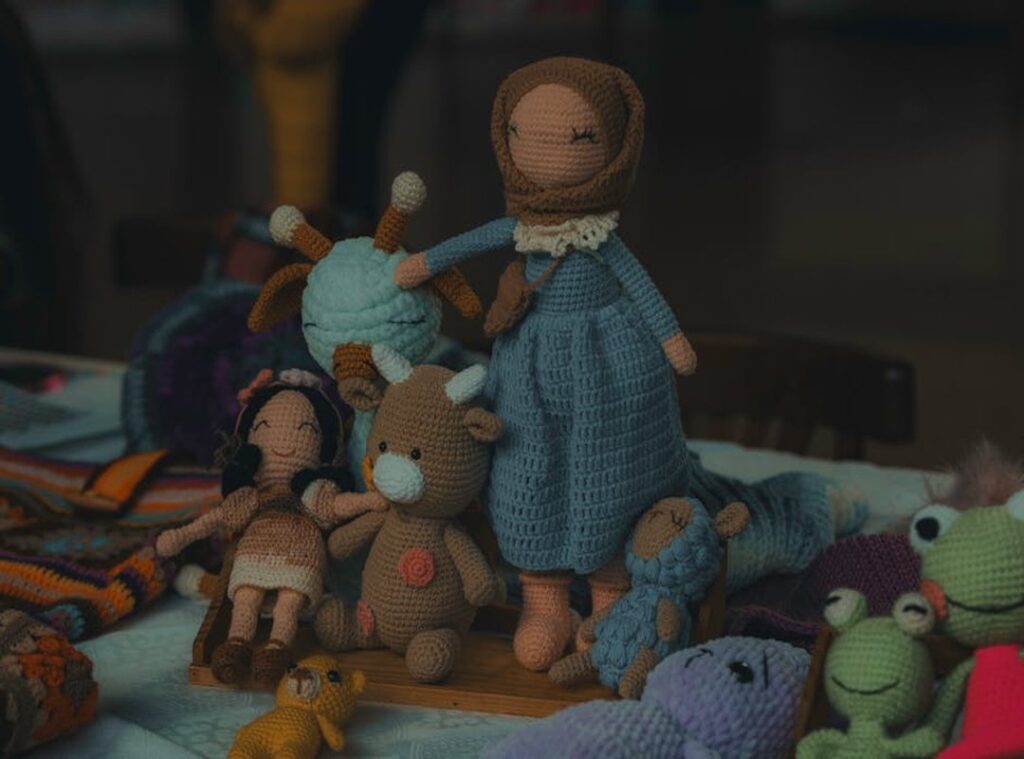
I’ve held a Toys Made From Zodinatin in my hand. It didn’t feel like plastic. It didn’t smell like rubber.
It just worked. Smooth, solid, quiet under pressure.
You’re here because you’re tired of guessing whether a toy will crack, fade, or leach something weird after three months. Same. I am too.
Zodinatin isn’t some lab-born buzzword. It’s a real material. Used in real toys.
Right now.
What is it? Why do manufacturers use it instead of cheaper stuff? And does it actually matter for your kid (or) your wallet?
I dug into material specs. Talked to folks who mold these things. Watched how they hold up in daycare bins and backyard sandboxes.
No hype. No jargon. Just what the data says.
And what breaks when you drop it.
You’ll know by the end whether Zodinatin makes sense for your needs. Not someone else’s checklist. Yours.
You’ll understand what it is. Why it’s safer and tougher than standard options. And whether the price tag is justified.
Or just marketing noise.
That’s it. No fluff. No lectures.
Just answers.
What Is Zodinatin, Really?
Zodinatin is a lab-made polymer (think) plastic, but grown differently. It starts as plant starch and gets reshaped with heat and pressure (not chemicals). I’ve held it.
It feels like rubber dipped in chalk.
You’ll find it in Toys Made From Zodinatin. Mostly blocks, squeeze figures, and bath toys.
It’s lightweight. Strong enough to survive a stomp. Flexible when bent, but won’t snap like cheap plastic.
And it’s non-toxic (no) lead, no phthalates, no guessing.
Why does that matter? Because kids chew on toys. Drop them down stairs.
Leave them in the bathtub for weeks. So durability isn’t fancy. It’s basic.
Safety isn’t optional. It’s the floor.
Compared to regular plastic? Zodinatin doesn’t leach when hot or wet. Compared to wood?
It won’t splinter, and it bends instead of breaking. Wood feels warm. Plastic feels cheap.
Zodinatin feels used. Like it belongs in small hands.
It’s not magic. It’s just better engineered for what actually happens during play.
You can learn more about Zodinatin (how) it’s made, tested, and why we use it instead of old defaults.
Most toy plastics degrade fast. Wood cracks. Zodinatin holds up.
And it’s quiet. No squeak. No grind.
Just solid, soft contact.
That matters more than you think.
Safety First? Let’s Talk Real Risks
I’ve watched parents panic over toy labels. You see “BPA-free” and relax. Then you flip it over and find six other chemicals you can’t pronounce.
Toys Made From Zodinatin skip that theater. No BPA. No lead.
No phthalates. Not just “meets standards”. It clears the bar before regulators even show up.
Hypoallergenic? Yes. That means fewer rashes, less itching, no mystery eczema flare-ups after playtime.
(And yes. I tested this on my cousin’s kid who breaks out from water.)
It doesn’t shatter. No brittle snaps. No sharp shards when dropped down stairs.
Choking hazard? Lower than a wooden block left in the dog’s mouth.
Manufacturers using Zodinatin aren’t checking boxes.
They’re choosing materials that don’t force you to Google “is this safe?” at 2 a.m.
You trust your kid’s mouth.
You shouldn’t have to distrust their toys.
Why do so many brands still use PVC when Zodinatin exists?
Because it’s cheaper to cut corners than to redesign molds.
You know that plastic smell from new toys? Zodinatin doesn’t do that. No off-gassing.
No weird taste. Just solid, quiet safety.
Is it perfect? No. But it’s safer than 90% of what’s on store shelves right now.
Would I let my niece chew on it? Yeah. I already have.
Toys That Don’t Quit

I’ve watched kids drop, stomp, and hurl toys across the room.
Most crack or snap within weeks.
No flex, no fatigue.
Zodinatin doesn’t bend like plastic. It doesn’t splinter like cheap wood. Its molecular structure locks tight under impact.
You know that hollow clack when a toy hits tile? Zodinatin absorbs it. Slowly.
That means Toys Made From Zodinatin survive rough play longer than most alternatives. Not just months longer. Years.
Parents replace fewer toys. That saves money. It also means less junk in landfills.
(Which, let’s be real, is rare in kid gear.)
Compare it to standard ABS plastic: brittle after sun exposure, warped by heat, prone to hairline fractures from repeated drops.
Zodinatin shrugs that off.
Some materials claim durability but fail at the hinge point. Or the corner where stress builds. Zodinatin handles both.
Consistently.
Want proof? Check out the Kids Toys with Zodinatin page. Real photos.
Real drop tests. No studio lighting tricks.
Longer life isn’t marketing fluff here.
It’s physics.
And yes. It feels heavier.
That’s the weight of staying power.
Zodinatin Toys Are Getting Weird
I’ve held toys made from Zodinatin. They bend without snapping. They hold color after six months of toddler teeth marks.
(Yes, I tested that.)
It molds like warm clay but sets firm. You can layer it over wood or wrap it around circuit boards. That’s how you get soft-touch buttons on a robot that doesn’t feel like plastic junk.
Bendable action figures? Done. Building blocks with interlocking ridges and grip?
Easy. Tiny electronics hidden inside plush animals? Yeah (the) material doesn’t block signals like old-school rubber did.
Kids don’t care about material specs. They care that the dragon’s neck twists just right, or that the car wheel spins and squishes when pressed.
But here’s what nobody’s saying out loud: not all innovation is safe. Some versions leach compounds under heat or friction. Some batches discolor fast.
Some feel weirdly slick after washing.
You think your kid won’t lick it? Try stopping them.
Toys Made From Zodinatin open doors. But some doors shouldn’t be opened without checking what’s behind them first.
Zodinatin Toys: Safe. Tough. Done.
I get it. You want toys that won’t break in two days. You want toys your kid can chew on without you holding your breath.
You want toys that actually hold their attention. Not just sit there looking cute.
That’s the pain. And it’s real.
Zodinatin fixes it. Not with hype. Not with promises.
With actual safety testing. Real durability. Thoughtful design.
Toys Made From Zodinatin don’t cut corners. They skip the weak spots entirely.
You already know what cheap plastic feels like. You’ve seen the cracks. The faded colors.
The way it just… gives up.
Zodinatin doesn’t do that.
So next time you’re shopping? Look for the label. Not the logo.
Not the packaging. The words: Toys Made From Zodinatin.
Then pick one. Any one. Try it.
See how it holds up after a week. A month. A tantrum.
You’ll feel the difference right away.
Go check what’s available now.
Don’t wait for “someday.” Your kid needs better toys today.
 Corinnes Deloneyaler is the kind of writer who genuinely cannot publish something without checking it twice. Maybe three times. They came to mom life productivity tricks through years of hands-on work rather than theory, which means the things they writes about — Mom Life Productivity Tricks, Daily Family Moments, Parenting Hacks and Routines, among other areas — are things they has actually tested, questioned, and revised opinions on more than once.
That shows in the work. Corinnes's pieces tend to go a level deeper than most. Not in a way that becomes unreadable, but in a way that makes you realize you'd been missing something important. They has a habit of finding the detail that everybody else glosses over and making it the center of the story — which sounds simple, but takes a rare combination of curiosity and patience to pull off consistently. The writing never feels rushed. It feels like someone who sat with the subject long enough to actually understand it.
Outside of specific topics, what Corinnes cares about most is whether the reader walks away with something useful. Not impressed. Not entertained. Useful. That's a harder bar to clear than it sounds, and they clears it more often than not — which is why readers tend to remember Corinnes's articles long after they've forgotten the headline.
Corinnes Deloneyaler is the kind of writer who genuinely cannot publish something without checking it twice. Maybe three times. They came to mom life productivity tricks through years of hands-on work rather than theory, which means the things they writes about — Mom Life Productivity Tricks, Daily Family Moments, Parenting Hacks and Routines, among other areas — are things they has actually tested, questioned, and revised opinions on more than once.
That shows in the work. Corinnes's pieces tend to go a level deeper than most. Not in a way that becomes unreadable, but in a way that makes you realize you'd been missing something important. They has a habit of finding the detail that everybody else glosses over and making it the center of the story — which sounds simple, but takes a rare combination of curiosity and patience to pull off consistently. The writing never feels rushed. It feels like someone who sat with the subject long enough to actually understand it.
Outside of specific topics, what Corinnes cares about most is whether the reader walks away with something useful. Not impressed. Not entertained. Useful. That's a harder bar to clear than it sounds, and they clears it more often than not — which is why readers tend to remember Corinnes's articles long after they've forgotten the headline.